
Design of Offshore Field Production with Minimal Carbon Footprint: Integrated Reservoir, Well, and Flow Assurance Analysis
Summary
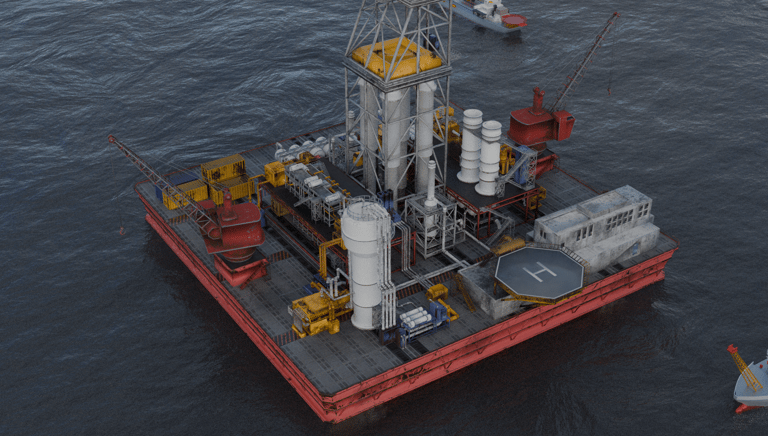
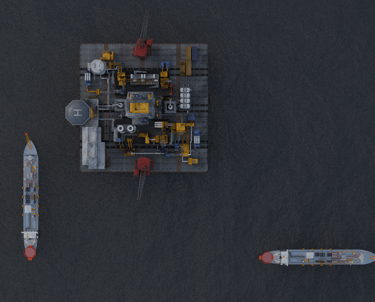
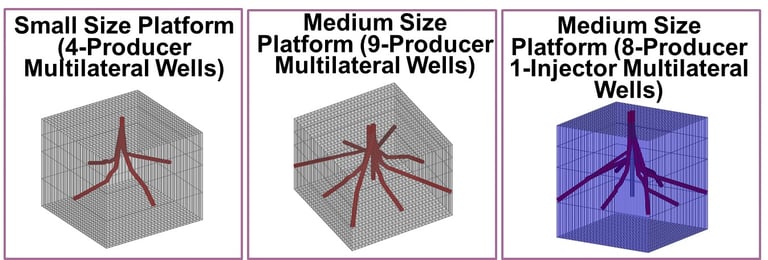
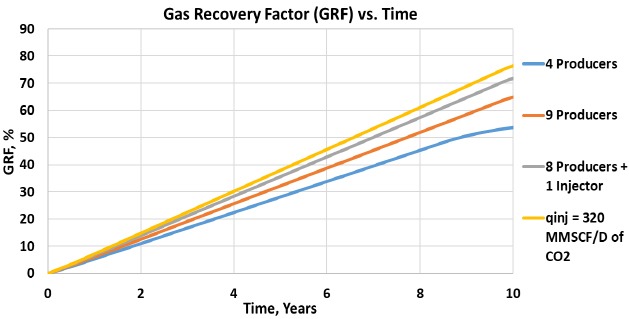
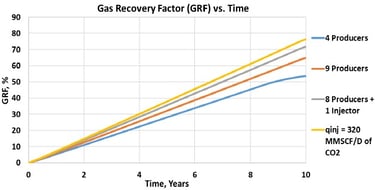
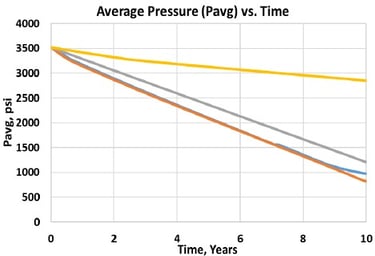
An offshore gas condensate field has been developed with minimum carbon footprint. The field was simulated using the tNavigator® software with three configurations: multilateral well with four branch-es (using small size platform), nine branches multilateral well (using medium size platform), and eight branches multilateral production well with one vertical injection well. Carbon dioxide(CO2) was captured from the well stream, separated and recycled back into the reservoir for pressure mainte-nance and reducing the carbon footprint with an extra 228 MMSCF/D purchased CO2 for injection. The best case scenario was drilling a multilateral well with 8 production branches and one vertical in-jection well. A total of 78.5 % of gas was recovered from the reservoir yielding the highest net pre-sent value (NPV) of 315 MM$. Flow assurance was studied and there was no risk of hydrates, wax, asphaltene, nor slugging effects as predicted by PIPESIM®. A total of 3,181 kTons of CO2 was stored minimizing the carbon footprint and enhancing sustainability.

Introduction
Offshore oil and gas development in Kuwait is still limited compared to onshore operations, even though the Arabian Gulf holds significant potential for expanding offshore production. Gas condensate reservoirs are technically complex offshore resources because of pressure depletion, condensate dropout, and operational challenges. Developing these reservoirs requires an integrated approach that combines reservoir modelling, production system design, and flow assurance. This project focuses on the Al-Durra offshore field as a representative case to demonstrate how optimized well configuration and surface facilities design can improve off-shore development efficiency and ensure reliable production performance.
Methodology
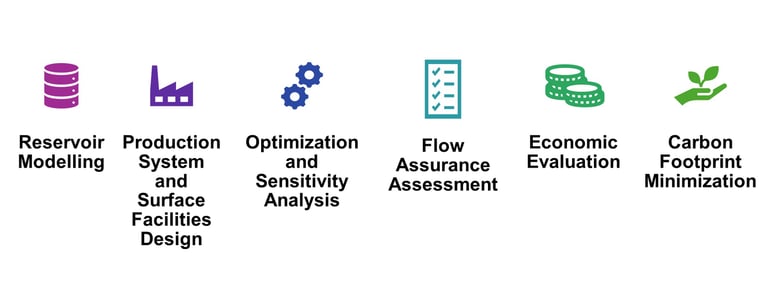
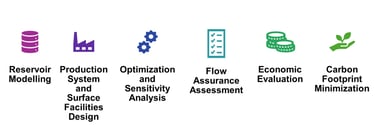
The proposed design aims to develop a safe and efficient offshore production system capable of handling gas condensate under challenging field conditions. The methodology begins with data gathering focused on reservoir properties, fluid characterization, and well parameters. The overall approach is structured around several key technical tasks:
Design Components and Alternative Solutions:
Three multilateral development cases were assessed based on platform size and well configura-tion, enabling comparison of capacity, recovery, and production performance under the same reservoir conditions
Phase Envelope Analysis:
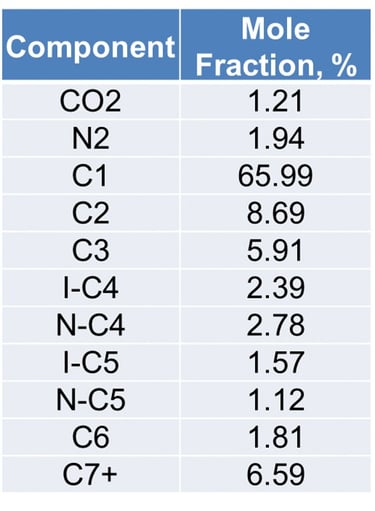
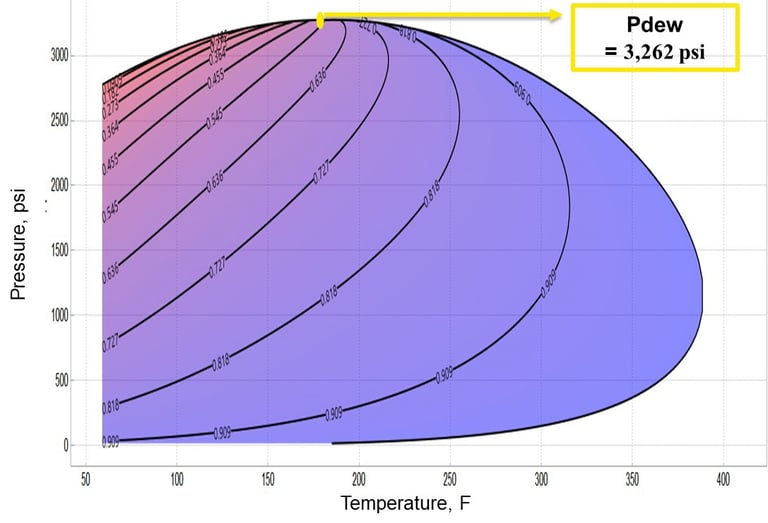
The phase envelope was generated using the reser-voir fluid composition to determine dew-point pres-sure (Pdew) and define safe operating conditions.

Design Constrains:


Offshore location (Limited Space)


Maximum Water Cut 90%


Fracture Pressure 7,500 psi
Results & Discussion
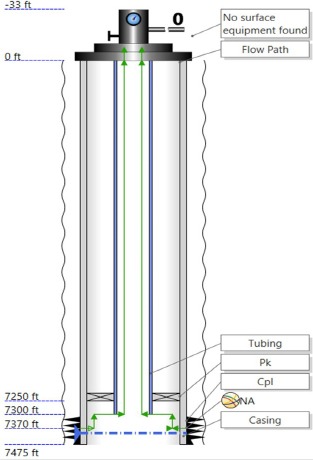
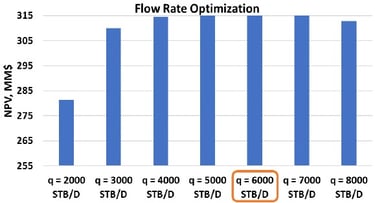
Best case scenario is capturing the CO2 and recycling it back using a 1,192 hp compressor with a total injection rate of 320 MMSCF/D for pressure support and carbon footprint reduction.CO2 was captured from the production stream using the amin process from a nearby vessel with extra amount purchased. The production well was com-pleted with a 3.5” tubing and a choke size of 192/64”, achieving an oil recovery factor of 31.8% and a production rate of 6,000 STB/D.


Economics Evaluation
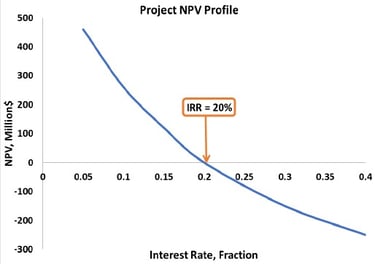
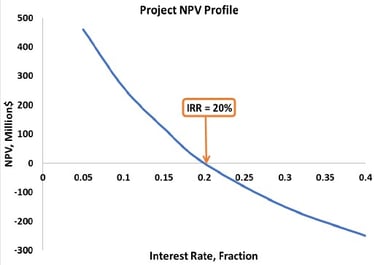
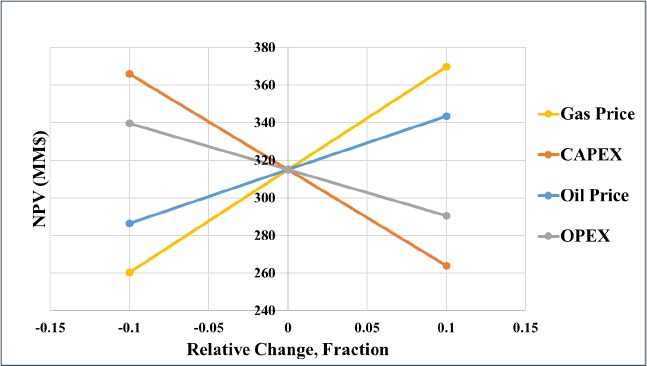
Project IRR was estimated to be 20%, with a NPV of 315 MM$ after 10 years of development.

Environmental Impact
A total of 3,181 kilo-tons of CO2 was recycled in the underground for-mation, minimizing the carbon footprint and reducing the project’s environmental impacts.
3,181 kTons






Risk Assessment and Uncertainty
Conclusions and Recommendations
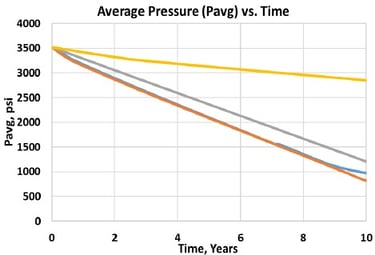
• Capturing the produced CO2 and recycling it back into the reservoir proved to be helpful in sup-porting the reservoir pressure decline which increases the total recoverable amounts of hydrocar-bons (HC).
• Best scenario was drilling an 8-production branches multilateral well with one injection branch that yielded a total NPV of 315 $Million after 10 years of production.
• 320 MMSCF/D of CO2 was injected from the produced CO2 from the gas stream plus purchasing the remaining required gas (288 MMSCF/D).